Home · Industries · Manufacturing and industrial
Manufacturing and industrial
Many manufacturers run on the experience of a few people and the memory of the shop floor. Armstrat is a Business Transformation Office (BTO™) that deploys integrated teams inside manufacturing and industrial businesses, working with founders, owners and CEOs on outcomes agreed at the start: lower production cost, standard work, systems that show the true cost of every order, and growth that does not dilute margin.
- Who we work with
- Manufacturers, fabricators, processors and industrial exporters, from single plants to multi-site operations.
- What we fix
- Production cost and standard work, energy and material waste, costing and pricing, systems and data, and the commercial plan behind growth.
- How we work
- Embedded delivery. Our team works inside yours, builds the change with your people, and stays until the results hold.
- How we are measured
- By agreed outcomes. A base fee plus a contingency paid on results, not on documents.
- How it starts
- A diagnostic of two to four weeks that agrees the outcomes to move.
Updated
The plant is where margin is won or lost.
Skilled people are scarce, downtime is expensive, and energy and materials cost more every year.
- 1.9MUS manufacturing jobs that could go unfilled by 2033 if the skills gap is not closed.Source: Deloitte and the Manufacturing Institute, 2024
- 11%Of annual revenue lost to unplanned downtime at the world’s 500 largest companies.Source: Siemens, True Cost of Downtime 2024
- 33%Of total US energy consumption used by the industrial sector.Source: US Energy Information Administration
Where Armstrat helps manufacturers
- 01
Production cost and standard work
Take cost out of the process before buying new machinery.
- Standard work and line balancing
- Energy, water and material waste
- Quality checks at the points where errors start
- 02
Costing, pricing and order selection
Know what every order really costs before you quote it.
- Activity-based product and order costing
- Quotes tested for margin before they go out
- A customer and product mix that protects margin
- 03
Systems and shop-floor data
Replace memory and paper with a system people on the floor will actually use.
- Production tracking across sites
- ERP built or chosen around how the plant works
- Adoption designed for the real workforce
- 04
Leadership and the operating model
Move knowledge out of a few heads and decisions off the owner’s desk.
- Professional management and clear roles
- A weekly rhythm on a few plant numbers
- Written procedures that survive turnover
We stay until the results hold.
Two commitments shape every Armstrat engagement in manufacturing.
Integrated teams
Consulting firms hand over a plan. We deploy an integrated team inside your manufacturing business, build the change with your people, and stay until it runs without us.
- Senior people inside your team, not a slide deck
- Processes, systems and roles built, not just recommended
- A handover your team can run on its own
Outcome-driven engagements
Every engagement starts by agreeing the outcomes to move and how they will be measured. A base fee covers delivery. A contingency is paid on results, not on documents.
- Outcomes and measures agreed before work starts
- Progress reported against those numbers
- Fees tied to results, not to reports
Where AI earns its place in manufacturing
AI is one tool, not the strategy. On the plant floor it helps where data is captured reliably and the decision repeats.
Cost and lead-time estimates
Quotes priced from your own production history instead of rules of thumb.
Maintenance planning
Machine data used to plan maintenance before breakdowns stop the line.
Quality inspection
Photos and checks at each stage flag defects before work moves on.
Demand and material planning
Orders and history used to plan materials and capacity a season ahead.
Honest enough to say not yet.
Some of the most valuable advice in manufacturing is what not to build yet.
Read the five signals that mean not yet- No automation before the process is standard.Automating variation only makes the variation faster and harder to fix.
- No predictive models without reliable shop-floor data.If the floor does not record what happens, no model can learn from it.
- No new machinery to fix a scheduling problem.Idle capacity and waiting time are usually cheaper to fix than to buy around.
Selected work
All work +10 ptsPercentage points of EBITDA margin, against a mandate to hold flat
Growth strategy that added 10 points of EBITDA margin
 30%Approximate reduction in electricity use, with no new machinery bought
Lean operations across three stone plants, zero CapEx
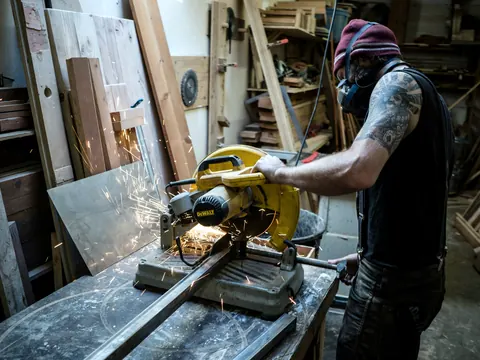 6 monthsto estimate order cost and lead time from production data
Custom ERP and true order costing for a stone manufacturer
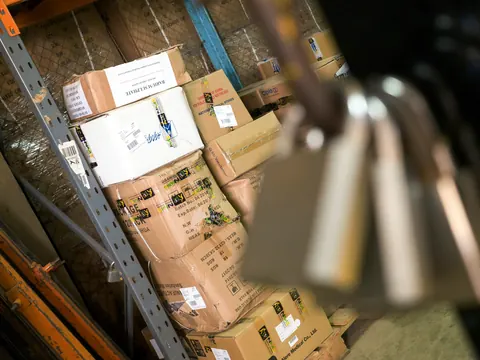 3 gatesquality checkpoints, from supplier intake to pre-shipment inspection
Quality gates and in-house packaging for a stone maker
 50+Forwarders, carriers and third parties invited to a formal freight tender
Freight tender and FOB shift for a stone exporter
Questions leaders ask about manufacturing
What does a Business Transformation Office do for a manufacturer?
A Business Transformation Office helps a plant make more, waste less and price correctly. Armstrat does this by setting standard work, cutting energy and material waste, building costing that shows what every order earns, and putting systems and professional management in place. We work on the floor with your team until the results hold.
How is a Business Transformation Office different from a consulting firm?
A consulting firm usually hands over recommendations. Armstrat is a Business Transformation Office (BTO™): it deploys an integrated team inside your manufacturing business, builds the change with your people and stays until the results hold. Every engagement is scoped around agreed outcomes, with a base fee plus a contingency paid on results, not on documents.
How can a manufacturer reduce production costs without new machinery?
Most of the cost sits in how the work runs: idle machines, rework, waste, waiting and unclear standards. In one Armstrat engagement with a stone products manufacturer, Lean methods cut electricity use by about 30% and water by 25%, with no new machinery, and net operating cost fell even after paying for better-qualified staff.
How can AI help manufacturers?
AI helps manufacturers where shop-floor data is captured reliably: estimating cost and lead time from production history, planning maintenance, inspecting quality and planning materials. Armstrat makes sure the data is captured first, often with simple tools the workforce will actually use, and says not yet when it is not.
How does an engagement with Armstrat start?
Most engagements start with a diagnostic of two to four weeks. Armstrat walks the plant, maps cost, waste and order flow, and agrees the outcomes to move before anything is built. You can also start with the free AI Readiness Assessment, which takes about ten minutes.


Make the plant pay.
Tell us what is stuck. We will tell you plainly where we can help, and where we cannot.