Home · What we do · Operations and supply chain
Operations and supply chain
Purchasing, freight and warehousing costs keep climbing, and the usual cuts end up hurting service. Armstrat is a Business Transformation Office (BTO™) that deploys integrated teams inside your business to rebuild procurement, logistics, inventory and fulfillment so they cost less and hold service. We work with founders, owners and CEOs to measure cost to serve, take out waste, and build the planning rhythm and owners that keep savings in place. Outcomes are agreed before work starts, and part of our fee is paid on results.
- Who we work with
- Founders, owners and CEOs of businesses that buy, make, store, move or sell physical goods, including distributors, manufacturers, retailers, brands and logistics providers.
- What we deliver
- Procurement and supplier costs, freight and warehousing, inventory and planning, order fulfillment, and cost to serve by customer and channel.
- How we work
- Embedded delivery. Our team works inside yours, builds the change with your people, and stays until the results hold.
- How we are measured
- By agreed outcomes. A base fee plus a contingency paid on results, not on documents.
- How it starts
- A diagnostic of two to four weeks that agrees the outcomes to move.
Updated
Costs are rising faster than teams can absorb.
Inventory, warehousing and freight costs are climbing again, while procurement teams are asked to handle more work with fewer people. Trimming at the edges no longer closes the gap.
- 88.8Inventory cost index in October 2026, the highest since March 2022. Above 50 means costs are rising.Source: Logistics Managers’ Index, October 2026, via Florida Atlantic University
- 8%Expected rise in procurement workload in 2026, while headcount and operating budgets decline.Source: The Hackett Group, 2026 Procurement Key Issues
- 73%Of US supply chain leaders plan a comprehensive overhaul of their operating model within three years.Source: KPMG 2026 US Supply Chain Survey
Where Armstrat helps in operations and supply chain
- 01
Procurement and sourcing
Buy at the right total cost, and make sure negotiated savings reach the P&L.
- Spend visibility by category and supplier
- Sourcing, contracts and landed cost, tariffs included
- Purchase compliance, so agreed prices get paid
- 02
Cost to serve and fulfillment
Know what each customer, channel and order costs to serve, then ship it for less without slipping on service.
- Cost to serve by customer, channel and order
- Carrier mix, freight rates and load building
- Slotting, pick paths and warehouse labor planning
- 03
Inventory and planning
Carry less stock and run out less often, with one plan that sales, purchasing and operations all trust.
- Stock targets set by item and service level
- A weekly demand and supply planning rhythm
- Slow and obsolete stock cleared on a plan
- 04
Lean operations and ownership
Take out waste, then build the routines and owners that keep the savings in place after we leave.
- Waste, rework and waiting time mapped and removed
- Standard work at every site and shift
- Clear owners and a weekly review of cost, service and cash
We stay until the results hold.
Two commitments shape every Armstrat engagement in operations and supply chain.
Integrated teams
Consulting firms hand over a plan. We deploy an integrated team inside your operation, build the change with your people, and stay until it runs without us.
- Senior people inside your team, not a slide deck
- Processes, systems and roles built, not just recommended
- A handover your team can run on its own
Outcome-driven engagements
Every engagement starts by agreeing the outcomes to move and how they will be measured. A base fee covers delivery. A contingency is paid on results, not on documents.
- Outcomes and measures agreed before work starts
- Progress reported against those numbers
- Fees tied to results, not to reports
Outcomes we commit to
Every engagement is built around a few numbers agreed before work starts. In operations and supply chain, they usually come from these four.
Lower cost to serve
Cost per order, customer and channel measured at the start and brought down, with on-time, in-full delivery held or improved.
Less cash tied up in stock
Inventory brought down to targets set item by item, so cash comes back without more stockouts.
Savings that reach the P&L
Procurement savings counted when they show up in what you actually pay, not when a contract is signed.
Lower freight and warehouse cost per unit
Cost per shipment and per order picked reduced through carrier mix, load building, slotting and labor plans.
Honest enough to say not yet.
Some of the most valuable advice in operations and supply chain is what not to build yet.
Read the five signals that mean not yet- No savings counted until they reach the P&L.A better price that nobody buys at is not a saving.
- No inventory cuts without a service target.Taking stock out blindly trades a cash win for lost orders.
- No new system to fix a broken process.A new warehouse or planning system on top of a poor workflow only makes the same mistakes faster.
Selected work
All work 56.7%Year-on-year revenue growth, from $1.5M to $2.35M
56.7% revenue growth for a founder-led agency
 +10 ptsPercentage points of EBITDA margin, against a mandate to hold flat
Growth strategy that added 10 points of EBITDA margin
 2.4xgrowth in absolute annual profit within roughly twelve months
Profit up 2.4x for a womenswear brand
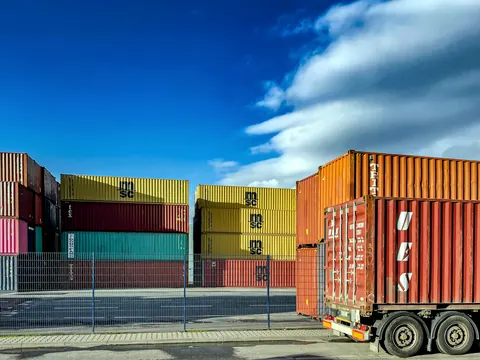 18%reduction in freight cost
Freight cost down 18% for a $120M multi-channel retailer
 22custom ERP modules delivered in 37 weeks against a 44-week plan
A custom ERP, 22 modules, 7 weeks ahead of plan
 40%reduction in administrative overhead across all 12 facilities
Five legacy systems onto one platform for a health network
Questions leaders ask about operations and supply chain
How can a business cut supply chain costs without hurting service?
Measure cost and service together, by customer, channel and product, so every cut is tested against on-time delivery. Savings typically come from purchase compliance, carrier mix and load building, warehouse labor planning, and stock set to service targets. Armstrat agrees the cost and service measures before work starts, then builds the changes inside your team so the savings hold.
How is a Business Transformation Office different from a consulting firm?
A consulting firm usually hands over recommendations. Armstrat is a Business Transformation Office (BTO™): it deploys an integrated team inside your operation, builds the change with your people and stays until the results hold. Every engagement is scoped around agreed outcomes, with a base fee plus a contingency paid on results, not on documents.
What is cost to serve, and how is it measured?
Cost to serve is the full cost of getting a product to a customer, from taking the order to picking, freight, returns and service. It is measured by tracing warehouse, transport and administrative costs to each customer, channel and order. Armstrat builds this view from your own order and cost data, then uses it to fix pricing, minimum orders and service terms where serving a customer costs more than it earns.
How can we reduce inventory without more stockouts?
Set stock targets item by item, based on demand variability, lead time and the service level each item needs, instead of one rule for everything. Then plan demand and supply on a weekly rhythm and clear slow stock on a schedule. Armstrat measures service alongside stock throughout, so cash comes out of inventory without customers noticing. Where the data is too thin for a forecast model, we say so first.
How can a business reduce its exposure to tariffs?
Map landed cost by product, supplier and country of origin, so you know which items carry tariff risk and how much. Then compare second sources, adjust pricing or terms, and hold extra stock only where lead times justify it. Armstrat builds this view with your purchasing and finance teams, and hands it over in a form your team can update as rates change. Decisions then follow numbers, not headlines.



Cut cost without cutting service.
Tell us what is stuck, and we will tell you plainly where we can help and where we cannot.