Home · Work · Manufacturing and industrial
A stone manufacturer ended double-cost remakes and built better boxes in-house
A natural stone manufacturer’s customers were finding its defects first. We built quality control at three points, got every specification signed before production, and moved packaging in-house, ending double-cost remakes.
- Client
- A natural stone products manufacturer and exporter making bespoke pieces to customer specification across three sites
- Engagement
- An end-to-end quality system from supplier intake to customer sign-off, plus an in-house packaging capability
- Result
- Double-cost remakes eliminated, boxes that beat long-standing suppliers on independent stress testing, and a full evidence chain for disputes
- How we worked
- Embedded across all three sites, with the work scoped and judged against rework, breakage and dispute exposure
Published . Client name withheld.
The situation
The client makes bespoke natural stone products to customer specification and exports them, which makes a specification error the most expensive defect it can produce. A mantelpiece cut to the wrong dimensions has no salvage value and restarts the full production and freight cycle.
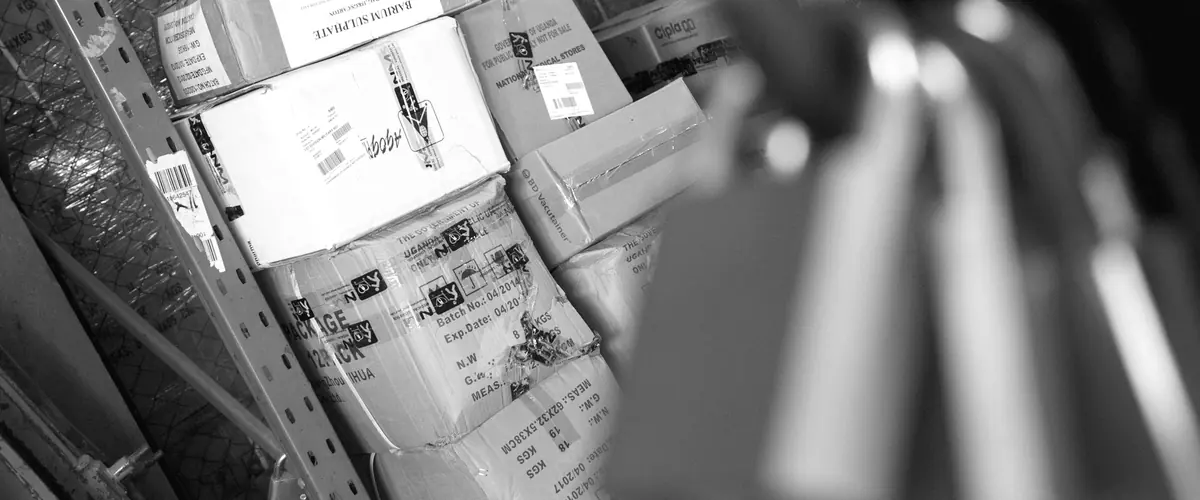
There was no requirements capture, no in-process inspection, no pre-shipment inspection and no supplier quality control. Requirements passed informally from whoever took the order to whoever was on the floor. Orders were regularly built wrong and remade at double cost, and customers, not the business, found the defects. Packaging design and box strength, rather than carrier handling, caused recurring breakage in transit. When a dispute arose, the business could not prove it had shipped correct, undamaged goods.
What made it hard
- Every order is bespoke, so acceptance criteria change from piece to piece and no fixed inspection checklist could cover the range.
- The business had never carried a quality function and saw QA headcount as pure overhead, and one site’s volume could not justify a QA manager at full cost.
- Better raw material had to be secured without quality premiums that would push product cost above what the market would carry.
- Inspection had to work across three geographically separated sites with different processes, and evidence capture depended on shop-floor tablet adoption, an open risk during rollout.
- Making boxes in-house meant building a capability the business had never held, with no equipment and no expertise.
How we worked
We worked inside the business across all three sites and scoped the work against what it had to stop: orders built to the wrong specification, defects found by customers, breakage in transit and disputes the business could not defend. Every gate, role and supplier term had to reduce one of those.
- 01
Make the specification the record
We built specification capture into the quotation module of the client’s ERP, so every technical requirement for an order sat in one authoritative record. Customers signed off that specification before production release, turning a verbal understanding into a signed acceptance criterion that every later gate inspects against.
- 02
Control quality at three points
Rather than rely on a single final check, we built control at supplier intake, at every stage handover and before shipment. Each team completed a handover checklist and photographed the work on a tablet before passing it forward, and pre-shipment inspection tested each order against its signed record.
- 03
Pay suppliers in terms, not price
A supplier scorecard rated raw material quality at intake. We said no to buying better stock through materially higher unit prices, which would have inflated product cost beyond what the market would carry. Consistent performers earned supplier development and cash upfront in place of the usual credit terms.
- 04
Build the QA function lean
We established QA managers at all three sites. Where one site’s volume could not justify the role at full cost, that manager’s payroll was shared 50/50 with a related exporter in a different product category, halving the cost while keeping a full capability.
- 05
Bring packaging in-house
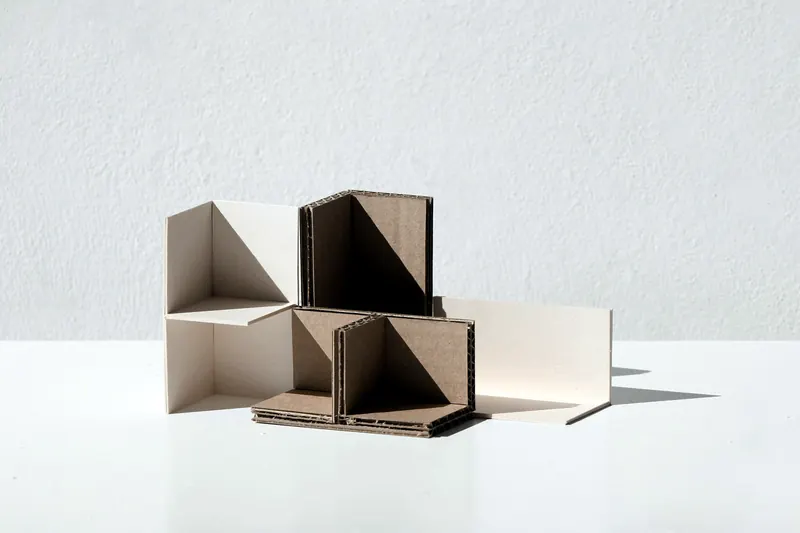
Bought-in boxes were failing on strength and on lead time. Using floor space cleared through 5S and cash from selling accumulated waste to a recycler, we stood up box manufacturing from kraft and corrugated paper, then filmed stress tests and photographed every shipment for buyers.
The results
Measured against the outcomes agreed at the start.
- Eliminated the recurring double cost of remaking orders built to the wrong specification.
- In-house packaging outperformed the suppliers the business had bought from for years, on independent stress testing.
- Removed box supplier lead times as a cause of shipment delay, speeding delivery to end customers even where unit box cost was broadly unchanged.
- Opened an unplanned revenue line when buyers began ordering the packaging material itself, and turned process waste from a disposal liability into the cash that funded the box line.
- Built a complete evidence chain from supplier intake to sealed, documented container, materially strengthening the business’s position in damage and specification disputes.
- Contributed an estimated 1 to 2 percentage points of the business’s 10 point EBITDA margin expansion through lower breakage and rework.
What leaders can take from it
In bespoke manufacturing the specification is the product. Capture it once, get it signed, and inspect against that one record at every gate. A signed specification turns an unwinnable dispute into a closed one.
Payment terms are an underused supplier quality lever. Cash upfront in place of the usual credit bought better stock without the unit price inflation that a straight quality premium would have caused.
Examine backward integration when a bought-in item is both a quality risk and a lead time risk. Packaging failed on both, and unit cost turned out to be the least valuable part of fixing it.
Questions about this work
How do you stop specification errors in bespoke manufacturing?
Capture the specification once, get the customer to sign it before production, and inspect against that record at every stage. At a natural stone manufacturer, Armstrat put each order’s technical requirements into one record in the quotation module, added stage gates with handover checklists and photographic evidence, and inspected before shipment. The recurring double cost of remaking wrongly specified orders was eliminated.
Should a manufacturer make its own packaging?
Yes, when bought-in packaging is both a quality risk and a lead time risk. Armstrat helped a stone exporter make boxes in-house from kraft and corrugated paper, funded by recycling proceeds and floor space cleared through 5S. The boxes outperformed long-standing suppliers on independent stress testing, removed supplier lead time as a cause of delay, and buyers began ordering the packaging material itself.
More work
 +10 ptsPercentage points of EBITDA margin, against a mandate to hold flat
Growth strategy that added 10 points of EBITDA margin
 30%Approximate reduction in electricity use, with no new machinery bought
Lean operations across three stone plants, zero CapEx
 6 monthsto estimate order cost and lead time from production data
Custom ERP and true order costing for a stone manufacturer

Bring us the hard problem.
We agree the outcomes first, then work inside your business until they hold.