
Home · Work · Healthcare
A health network cut administrative overhead 40% by moving five systems to one
A regional health network ran 12 facilities on five disconnected legacy systems. We brought them onto one platform and cut administrative overhead by 40% across every facility.
- Client
- A regional health network with 12 facilities
- Engagement
- Digital transformation that consolidated five disconnected legacy systems onto one unified platform
- Result
- Five systems became one, and administrative overhead fell 40% across all 12 facilities
- How we worked
- We ran the transformation rather than advising on it, and judged it by administrative overhead across the whole network
Published . Client name withheld.
The situation
A regional health network operated 12 facilities on five disconnected legacy systems. Each system had its own reporting logic, and no shared data layer sat beneath them, so figures from one system could not be used alongside another until someone reconciled them.
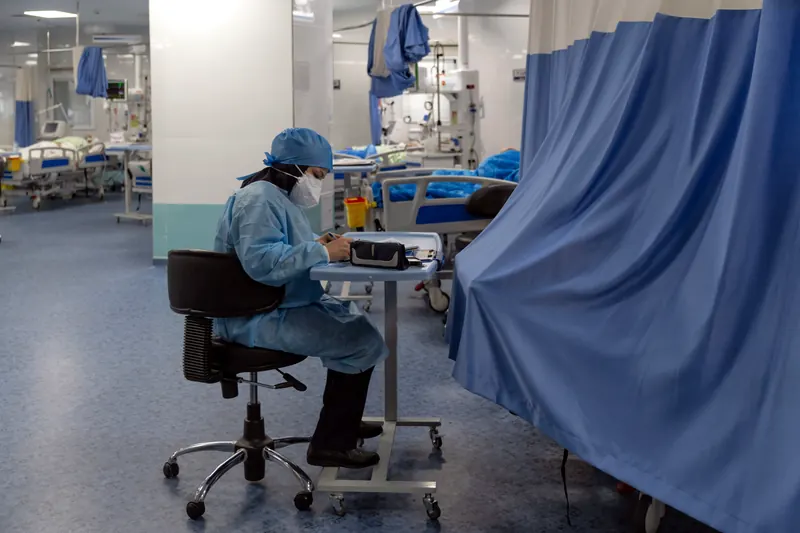
That work landed on clinical staff, who spent more time reconciling data than delivering care. The cost was not confined to one site. With five systems serving the whole network, the administrative load ran across all 12 facilities.
What made it hard
- Five legacy systems ran side by side with no connection between them.
- Each system applied its own reporting logic, so data had to be reconciled across systems before it could be used.
- No shared data layer sat beneath the systems, so there was no common source for the network to report from.
- Clinical staff carried the reconciliation work, and it took more of their time than delivering care.
- Any fix had to hold for all 12 facilities, not just one.
How we worked
We ran the transformation ourselves rather than advising from the outside, and we judged it by one result: the administrative overhead the network carried across all 12 facilities. A new platform was the means. Less administration, at every facility, was the measure.
- 01
Start from the reconciliation burden
The problem showed up as clinical time lost to reconciling data between five systems, each with its own reporting logic. We treated that lost time, and the administrative overhead behind it, as the problem to solve, rather than the age of the systems.
- 02
Consolidate five systems onto one
We brought all five legacy systems onto one unified platform. With one platform in place of five, the network no longer ran a separate reporting logic for each system, and its data sat in one place instead of five.
- 03
Judge it across every facility
The work was judged at network level rather than at a single site, because the five systems served the whole network. Administrative overhead fell 40% across all 12 facilities.
The results
Measured against the outcomes agreed at the start.
- Five disconnected legacy systems consolidated into one unified platform.
- Administrative overhead reduced by 40%.
- The reduction was achieved across all 12 facilities, not at a single site.
- One platform in place of five systems that each ran their own reporting logic with no shared data layer.
What leaders can take from it
When clinical staff spend more time reconciling data than delivering care, look at the systems before the staff. Fix the structure underneath and the administrative load comes down with it.
Judge a systems program by the overhead it removes, not by the day the new platform switches on. The platform was the means here. The measure was a 40% cut in administrative overhead.
A fix that works at one site does not solve a network’s problem. Results count when they hold across every facility, which is why this one was measured across all 12.
Questions about this work
How can a health network reduce administrative overhead?
Start with the systems staff have to work around. When data sits in several disconnected systems, each with its own reporting logic, staff spend their time reconciling it. In one Armstrat engagement, a regional health network with 12 facilities consolidated five legacy systems onto one unified platform and cut administrative overhead by 40% across all 12 facilities.
What do disconnected legacy systems cost a health network?
Staff end up doing work the systems should do. With five legacy systems, each using its own reporting logic and no shared data layer, clinical staff at a regional health network with 12 facilities spent more time reconciling data than delivering care. Armstrat ran the transformation that brought the five systems onto one platform, and administrative overhead fell 40%.
More work
 56.7%Year-on-year revenue growth, from $1.5M to $2.35M
56.7% revenue growth for a founder-led agency
 $18MRevenue within 14 months, up from $8M
Operating model redesign takes a brand from $8M to $18M
 +10 ptsPercentage points of EBITDA margin, against a mandate to hold flat
Growth strategy that added 10 points of EBITDA margin

Bring us the hard problem.
We agree the outcomes first, then work inside your business until they hold.